
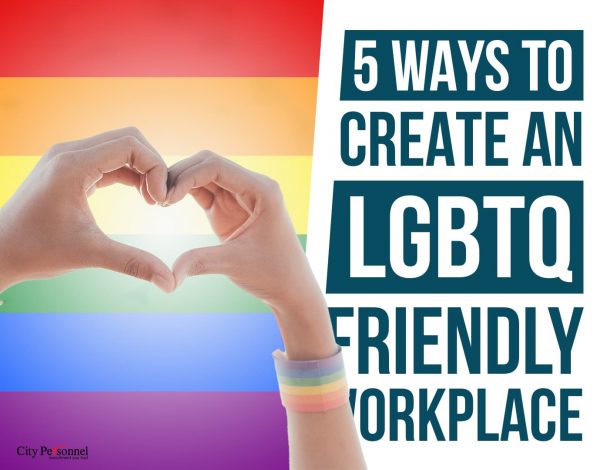
Creating a safe and welcoming workplace for lesbian, gay, bisexual, and transgender employees is essential to promoting diversity in the workplace. According to the Human Rights Campaign, companies that are LGBTQ-friendly enjoy lower staff turnover rates, increased creativity and productivity, and enhanced reputations as progressive organizations. If you’re looking for ways to make your workplace more inclusive of LGBTQ employees, look no further! In this blog post, we will discuss 5 ways to create an LGBTQ-friendly workplace.
Educate yourself and your employees about LGBTQ issues
As the world becomes more accepting of LGBTQ people, it’s important for businesses to educate themselves and their employees about these issues. By creating a respectful and inclusive workplace, businesses can not only support their LGBTQ employees but also attract top talent.
There are a number of ways to educate yourself and your employees about LGBTQ issues. You can start by ensuring that your workplace has a nondiscrimination policy that includes sexual orientation and gender identity. You can also provide training on LGBTQ issues, create resource groups for LGBTQ employees, and offer benefits to same-sex couples.
Educating yourself and your employees about LGBTQ issues is a great way to create a more inclusive workplace. Additionally, it’s also important to be aware of the unique challenges that LGBTQ people face.
Some of the unique challenges that LGBTQ people face include discrimination, harassment, and violence. According to a report by the National Coalition of Anti-Violence Programs, 63% of LGBT people reported experiencing at least one form of discrimination in the workplace. In addition, 26% of LGBTQ people reported experiencing physical violence at work, and 22% reported experiencing sexual harassment.
It’s important to be aware of these challenges so that you can create a workplace that is safe and welcoming for all employees.
Create a policy that prohibits discrimination based on sexual orientation or gender identity
Every employee deserves to feel safe and respected at work. Unfortunately, discrimination based on sexual orientation and gender identity is still a reality
A clear and concise policy prohibiting such discrimination can help to create a more inclusive workplace for all.
Such a policy would make it clear that any form of harassment or discrimination based on someone’s sex, sexuality, or gender identity is unacceptable. It would also provide a mechanism for reporting instances of discrimination and harassment, and ensure that employees who come forward will be protected from retaliation.
In addition, the policy would help to create a more positive work environment for everyone by communicating that the company is committed to fostering a culture of inclusion. Ultimately, a policy prohibiting discrimination based on sexual orientation or gender identity is vital for ensuring that all employees feel valued and respected.
Here is a well-written policy that you can use as an example for your corporation:
City Personnel’s Diversity & Inclusion Policy
At City Personnel, we strive for a diverse and inclusive workplace where everyone feels valued and respected no matter their gender, race, religion, ethnicity, national origin, sexual orientation or identity, age, and education or disability. We are committed to following this mission and creating equal opportunities for employment and advancement in all fields.
We embrace and encourage our employees’ differences in age, color, disability, ethnicity, family or marital status, gender identity or expression, language, national origin, physical and mental ability, political affiliation, race, religion, sexual orientation, socio-economic status, veteran status, and other characteristics that make our employees unique.
Our mission is to be the leader in diversity and inclusion policies for the entire staffing industry. We continue to improve our diversity and inclusion policy to strengthen our industry from any bias. We hold all our employees to the highest standards regarding diversity and inclusion of all individuals.
City Personnel strives to:
• See diversity and inclusion as connected to our mission to ensure our staff and candidates are in an environment that promotes equality for all.
• Continuously update our policy and hold everyone to the highest standards when it includes diversity and inclusion.
• Suspend anything or anyone that interferes with inclusiveness.
• Support new diversity and inclusive policies changes to keep our mission for equality a priority
• Look into any accusations of individuals not following our policy and hold them accountable
City Personnel stands by the following actions to help promote diversity and inclusion in our workplace:
• Continue to maintain equality throughout our organization by developing meaningful and productive learning opportunities and structured policies;
• Establish a program to be more bias-conscious during the recruiting, advancement, or evaluation process;
• Continuously train employees on equality of all when it comes to the hiring, promoting, and evaluation phases;
• Full disclosure of pay range with all candidates;
• Contest policies that create injustice, oppression, and disparity;
• Express importance to recruiters to not base a candidate’s potential on anything other than qualifications for the position, including, but not limited to, age, gender, and social media.
Allow employees to use the bathroom that corresponds with their gender identity
Allowing employees to use the bathroom that corresponds with their gender identity is a matter of fairness and respect. When people are not able to use the bathroom that aligns with their gender identity, it can lead to feelings of isolation, anxiety, and even fear.
In some cases, people may avoid using the restroom altogether, which can have a number of negative impacts on their health. Additionally, restricting bathroom access can also make it difficult for transgender and gender non-conforming people to do their jobs effectively.
By contrast, providing inclusive bathroom access helps to create a workplace that is more welcoming and inclusive for all employees. Ultimately, inclusive bathroom policies benefit your employees by promoting a more respectful and equitable work environment.
There are a number of ways to make bathrooms more inclusive for transgender and gender non-conforming people. For example, employers can designate single-occupancy restrooms as all-gender or gender-neutral. Employers can also post signs that indicate that the restroom is open to people of all genders.
It is important for employers to consult with their employees to ensure that any changes to bathroom policies are inclusive and respectful. Transgender and gender non-conforming employees should be involved in the decision-making process to ensure that their needs are taken into consideration.
Employers who are interested in creating more inclusive workplaces can find resources and guidance from a number of organizations, including the Human Rights Campaign and the Transgender Law Center.
Make sure all your marketing materials and job descriptions are inclusive of LGBTQ people
It’s important for companies to send a message of inclusion and diversity in their marketing materials and job descriptions. This sends the signal that everyone is welcome, no matter what their background or orientation.
Some tips for creating an inclusive job description include using gender-neutral language, making sure the requirements are necessary for the job, and using a diverse range of images in marketing materials.
Studies have shown that LGBTQ people respond positively to companies that make an effort to be inclusive.
For example, one study found that nearly half of LGBTQ respondents said they would switch to a brand that is more inclusive. This is good news for businesses, as attracting and retaining top talent is essential for success.
By being inclusive of LGBTQ people in their marketing and job descriptions, companies can send a strong message of inclusivity and diversity, signaling that they are an employer of choice for all types of talent.
Celebrate Pride Month and other LGBTQ holidays/events
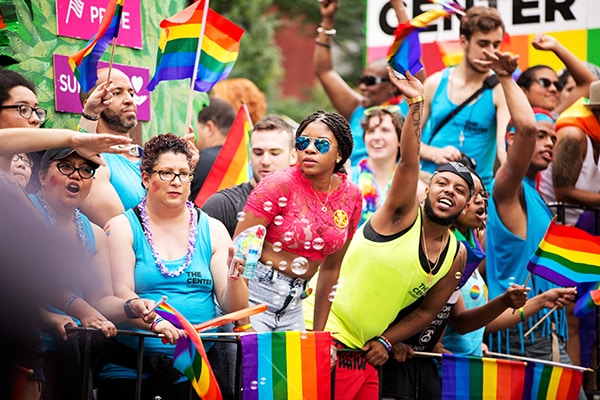
Celebrating LGBTQ holidays and events is a great way to make your office diverse and inclusive. Events like Pride Month and International Day Against Homophobia, Transphobia, and Biphobia are essential to recognize in your office.
Other events include:
- The annual Pride Parade in San Francisco is one of the largest and most well-known Pride events in the world, attracting over a million participants and spectators. The event is typically held on the last Sunday in June, with the parade route running through the city’s historic Castro District.
- Los Angeles Pride, which is held in early June
- New York City Pride, which is held on the last Sunday in June.
These large-scale events provide an opportunity for members of the LGBTQ community to come together to celebrate their identities and raise awareness about issues affecting their communities.
In addition to parades and festivals, many Pride celebrations also feature educational programming, workshops, and marches. These events provide an important space for members of the LGBTQ community to connect with one another and work toward social justice.
For many people, June is a time to celebrate Pride Month. This commemorates the Stonewall Riots, which were a series of protests by the LGBTQ community in response to a police raid on the Stonewall Inn in New York City.
Pride Month is now celebrated all over the world, with parades, parties, and other events. Other holidays/events that are celebrated by the LGBTQ community include National Coming Out Day, Transgender Day of Remembrance, and Bisexual Visibility Day.
These holidays/events provide an opportunity for members of the LGBTQ community to come together and celebrate their identity. They also help to raise awareness of the challenges that members of the LGBTQ community face. By celebrating these holidays/events, we can show our support for the LGBTQ community and help make the world a more inclusive place.
Conclusion: How to Create an LGBTQ-Friendly Workplace
Promoting diversity in the workplace is essential to creating a thriving and productive organization. Lesbian, gay, bisexual, and transgender employees face unique challenges in the workplace that can be addressed by creating a safe and welcoming environment.
By implementing policies and practices that support LGBTQ employees, your company can enjoy lower staff turnover rates, increased creativity and productivity, and enhanced reputations as progressive organizations. Have you created a safe and welcoming environment for LGBTQ employees in your workplace? If not, now is the time to start!